Exploring Packing Boxes for Sale: Find the Top Bargains on Packing Options!
Investigating packing boxes for sale shows a broad array of options tailored for different needs. From classic cardboard to modern eco-friendly options, consumers can locate solutions suited to their moving or storage specifications. Price comparisons across local retailers and online platforms can expose notable savings. However, grasping the factors that determine box costs is crucial. The journey into the world of packing solutions is just starting, and there are countless factors to evaluate.
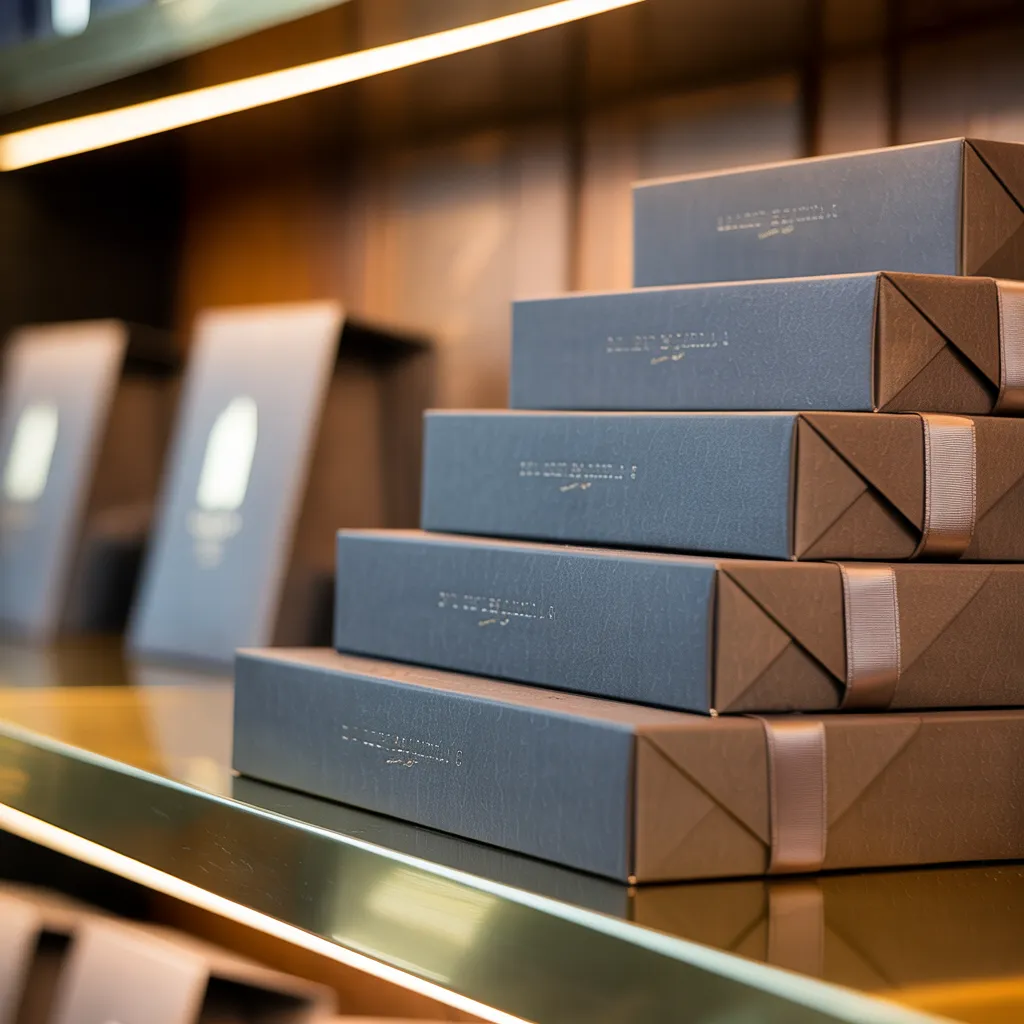
The Different Types of Packing Boxes Available
Packing boxes are available in multiple varieties, each created to fulfill distinct purposes. Cardboard boxes are the most widely used, perfect for light products and simple to put together. They come in different sizes, spanning from tiny to extra-large, accommodating a range of products. For sensitive items, specialized boxes exist, such as those with dividers, which deliver enhanced safety during shipping. Plastic packing boxes deliver durability and moisture resistance, rendering them ideal for extended storage or moving delicate items. For substantial or oversized products, double-walled boxes provide added strength and support. Additionally, there are flat-pack boxes, which are designed for easy storage when not in use. Every variety fulfills a distinct function, guaranteeing that people and companies can locate the appropriate packaging option for their particular needs. Knowing these alternatives is crucial for successful packing and delivery, ultimately contributing to a smoother logistical process.
Where You Can Find Inexpensive Packing Boxes
Discovering affordable packing boxes can be achieved through various avenues. Local retail stores commonly have extra boxes in stock, while online marketplace platforms provide a comprehensive selection at competitive prices. Also, wholesale packaging suppliers present bulk options that can additionally cut costs for those wanting larger quantities.
Community Retail Store Alternatives
Although numerous internet merchants provide easy choices for buying packing boxes, neighborhood retail shops continue to be a great source for individuals looking for budget-friendly options. Major retail chains, like Walmart and Target, generally carry an assortment of packing boxes at affordable costs. Neighborhood hardware shops or DIY centers frequently carry necessary packing materials too. Furthermore, supermarkets and liquor shops often have extra boxes on explore now hand for no cost or at a minimal fee, rendering them an excellent choice for cost-aware consumers. Resale outlets and civic facilities could supply packing resources too, and examining regional listings can reveal valuable discoveries. Through investigating these neighborhood channels, people can discover affordable packing options that satisfy their requirements without paying delivery fees.
Web-Based Marketplace Platforms
For those who prefer the convenience of buying from the comfort of home, online marketplace platforms offer a extensive selection of packing boxes at attractive prices. Websites such as Amazon, eBay, and Etsy accommodate different needs, providing options extending from standard cardboard boxes to specialized packaging solutions. Shoppers can easily compare prices, read customer reviews, and browse different sellers, confirming they find the best deals. Moreover, many platforms feature bulk purchasing options, making it simpler for businesses or individuals requesting larger quantities. With user-friendly interfaces and practical shipping options, online marketplaces facilitate the process of sourcing packing materials. As a result, consumers can rapidly locate cost-effective packing boxes without the hassle of visiting physical stores.
Commercial Packaging Suppliers
While looking for affordable packing boxes, wholesale packaging suppliers provide an excellent option for both businesses and individuals. These suppliers typically provide bulk purchasing options, delivering significant savings on packaging materials. By sourcing directly from manufacturers or distributors, customers can obtain a wide variety of box sizes, styles, and materials to match their specific needs. Many wholesale suppliers also include customization services, enabling customers to brand their packaging effectively. Additionally, online directories and trade shows can help discover reputable wholesalers, ensuring quality and reliability. In the end, choosing wholesale packaging suppliers can optimize the purchasing process while maximizing value, making them a favored choice for those looking to reduce costs without compromising on quality.
Green Packing Boxes for Sustainable Moving
With the growing demand for sustainable solutions, environmentally conscious packing boxes have become an essential component of responsible moving practices. These boxes, often made from eco-friendly materials or compostable substances, provide a practical substitute for traditional packaging options, significantly decreasing environmental impact. Many consumers are now making sustainability a priority, recognizing that their choices during relocation can promote planetary health.
Eco-friendly packing boxes are crafted to be strong and solid while decreasing waste. Manufacturers focusing on sustainable packaging have created inventive designs that guarantee durability without sacrificing ecological integrity. Moreover, these boxes are typically reusable, facilitating multiple uses before disposal.
Selecting eco-friendly packing alternatives not only corresponds to a person's values but also encourages a circular economy. As recognition of environmental issues persistently rise, the market for eco-friendly packing boxes is expected to expand, offering more choices for consumers committed to sustainable moving practices.
Choosing the Ideal Size for Your Needs
Choosing the right size of packing boxes is vital for an effective moving experience. A thoughtful assessment of the items that need transport will help determine the correct dimensions. Larger boxes are suitable for lightweight items, such as bedding or clothing, while smaller boxes are perfect for heavier objects like books or fragile items.
It is vital to prevent overpacking boxes, as this may result in damage or injury throughout the moving process. Additionally, using boxes that are excessively large may cause wasted space and unstable stacking.
To guarantee proper fit, one should measure the largest items and consider grouping similarly-sized objects together. This strategy not only maximizes space but also eases the unpacking process. In the end, picking the right size packing boxes can enhance organization, protect possessions, and streamline the overall moving experience, making it more manageable and efficient for everyone participating.
Techniques for Procuring Packing Boxes in Bulk
When purchasing packing boxes in bulk, it is crucial to evaluate bulk pricing options to ensure cost-effectiveness. Additionally, evaluating box quality standards can avert issues during storage and shipping. Reviewing local suppliers' offers may expose advantageous deals and increase convenience in procurement.
Compare Large Quantity Price Points
When many organizations pursue cost-effective solutions for their shipping necessities, assessing bulk pricing options for packing boxes can lead to considerable financial benefits. By examining different suppliers, companies can identify the top bargains tailored to their specific requirements. It is important to analyze price breaks at multiple quantity thresholds, as purchasing larger volumes typically leads to lower per-unit costs. In addition, businesses should consider shipping costs, as some suppliers feature free delivery for bulk orders, improving overall savings. Establishing a relationship with dependable vendors can also produce discounts and promotions over time. Eventually, thorough research and strategic comparisons help businesses to optimize their packing expenses, confirming they remain competitive in their respective markets.
Evaluate Box Quality Specifications
Understanding box quality standards is vital for businesses aiming to purchase packing boxes in bulk. Premium boxes ensure product protection, reduce damage during transit, and boost brand reputation. Key factors to evaluate include material composition, weight capacity, and durability. Corrugated cardboard is often preferred for its strength and versatility, while single-wall boxes may suffice for lighter items. Additionally, businesses should evaluate the box's resistance to moisture and temperature fluctuations. Compliance with industry standards, such as ISTA or ASTM testing, can also indicate reliability. By prioritizing these quality standards, companies can make informed decisions, confirming their products arrive safely at their destination while optimizing packaging costs. Quality evaluation ultimately supports operational efficiency and customer satisfaction.
Examine Regional Providers' Offers
What strategies enable businesses to effectively engage local suppliers for superior packing box deals? By conducting thorough research, companies can identify nearby suppliers who offer bulk purchasing options. Building connections with nearby suppliers can result in improved rates and customized service, facilitating advantageous negotiations. Additionally, visiting local suppliers allows businesses to inspect box quality firsthand, ensuring suitability for their needs. Taking part in community commerce events or professional meetings can additionally produce beneficial relationships and awareness of local market dynamics. Companies might explore employing internet platforms to assess deals and study ratings, confirming they select credible suppliers. By combining these strategies, businesses can maximize their savings while supporting the local economy.
What Makes Packing Boxes Expensive?
The cost of packing boxes can vary considerably based on several key factors. One notable factor is the material used in their construction. Top-grade materials, such as double-wall corrugated cardboard or specialty boxes, can raise expenses. In addition, the boxes' size and dimensions perform an important function; larger or tailored-size boxes usually feature a premium price due to enhanced material costs and manufacturing sophistication.
Another important factor is the quantity purchased. Wholesale quantities typically deliver better pricing, while modest purchases may lead to higher per-unit costs. Additionally, extra features such as moisture resistance, printing, or custom designs can elevate prices markedly. Ultimately, market fluctuations, like changes in raw material costs or shipping expenses, can affect overall pricing. Comprehending these factors helps buyers make knowledgeable decisions when picking packing boxes that suit their budget and requirements.
Leading Online Retailers for Moving Materials
When searching for packing supplies online, consumers often encounter a variety of retailers that cater to diverse needs and budgets. Amazon stands out as a top choice due to its extensive selection and competitive pricing, offering everything from cardboard boxes to packing tape. ULINE is another trusted retailer, known for its high-quality packing materials and bulk purchasing options, ideal for businesses. For those seeking environmentally friendly solutions, Eco-Box specializes in sustainable packaging products. Staples provides a reliable option for office supplies, including packing supplies, often with same-day pickup availability. Furthermore, Walmart offers affordable options for consumers wanting convenience and quick delivery. Each of these retailers presents unique advantages, helping consumers to compare prices and product quality to find the best deals on packing supplies. By shopping around, individuals can ensure they receive the most suitable packing solutions for their specific needs.
How You Can Use Packing Boxes Outside of Moving
A lot of people disregard the flexibility of packing boxes outside of their initial use for moving. These boxes can provide a variety of purposes in everyday life. For example, they can be transformed into storage solutions for seasonal items, helping keep spaces organized and clutter-free. Packing boxes are also perfect for crafting projects; with some creativity, they can be made into decorative organizers or playhouses for children.
Furthermore, packing boxes can facilitate a home office setup, supplying sturdy compartments for documents and supplies. They are also useful for shipping items, seeing to it that fragile goods are protected during transit. Many individuals recycle packing boxes for garage sales, systematically grouping similar items for easy access. All in all, packing boxes are not just for changing residence; their versatility extends into numerous aspects of daily living, making them a valuable resource for both organization and creativity.
Questions & Answers
Can I Customize Packing Boxes With My Own Branding?
Yes, many companies offer customization options for packing boxes, allowing individuals to add their own branding. This features selections in design elements, colors, and brand marks, improving brand presence and offering a professional finish to packaging.
What Are Packing Boxes Typically Made From?
Packing boxes are generally constructed from materials like corrugated cardboard, paperboard, and plastic. These materials offer strength and durability, making them appropriate for numerous shipping and storage requirements across different industries and applications.
What's the Best Way to Store Empty Packing Boxes?
Keep your empty packing boxes stored flat for optimal space savings, ideally in a cool, dry area. Neat stacking or the use of storage bins helps keep things organized and protect against moisture and pest damage.
Do Packing Boxes Have Weight Limits?
Weight limits for packing boxes are usually determined by the material used and box size. Regular cardboard boxes typically handle loads of 30 to 65 pounds, while heavier-duty options offer higher limits, ensuring safe transport and storage.
May Packing Boxes to Be Recycled After Use?
Cardboard packing boxes are generally recyclable following use, as long as they remain clean and uncontaminated. Most recycling centers take cardboard materials, rendering it an environmentally conscious disposal method and advancing environmentally responsible packaging approaches.